Action Research
My action research focuses on three key areas that significantly impact early childhood education: classroom physical environment, classroom management, and human/child rights in education.
Classroom Physical Environment
- Impact of seating arrangements on student engagement and collaboration
- Accessibility and inclusion in physical space for students with diverse needs
- Use of learning centers or flexible spaces for differentiated instruction
- Influence of lighting, noise, and décor on student concentration
- Student ownership of classroom space (e.g., displays of student work)
Classroom Management
- Behavior management vs. behavior support (reactive vs. proactive strategies)
- Building positive teacher-student relationships
- Equity in discipline practices (e.g., implicit bias, restorative justice)
- Student agency and voice in developing classroom rules
- Use of praise, rewards, and consequences
Human/Child Rights and Policies
- Implementation of UN Convention on the Rights of the Child (UNCRC)
- Addressing discrimination, bullying, and exclusion
- Promoting student voice and participation in decision-making
- Rights to inclusive, quality education regardless of background
- Impact of school policy on marginalized students
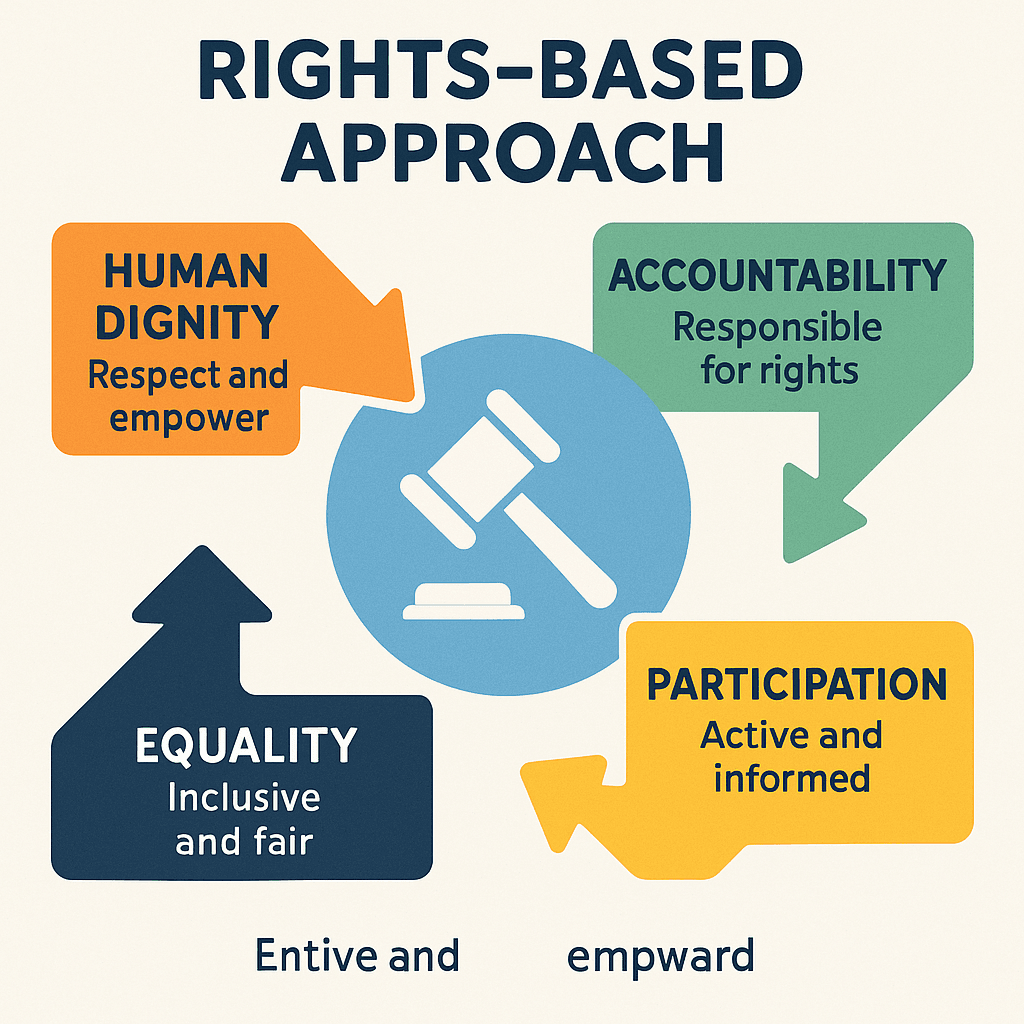
Rights-Based Approach in Education
How Parents Can Play Their Role in Safeguarding Children
Open Communication
Parents can begin by building an open communication with their children. Children will freely express themselves without being afraid, especially if they are sure that their feelings will be validated as parents actively listen to them. Also, parents should teach their children the difference between appropriate and inappropriate behaviors from other persons.
Being Aware and Informed
Parents must be informed about the various signs of the various abuses. They must remain current on matters such as bullying on the net.
Safe Home Environment
Children should adhere to boundaries and the online activities must be supervised. Ensuring a safe home environment is crucial for child development.
School-Family Collaboration
There needs to be a collaborative relationship with school and family/community. Regular attendance of PTA and other school activities can also help in safeguarding initiatives. The communication process must remain open and active.
Modeling Behavior
Parents should model safe and respectful behaviours. Being empathetic and demonstrating healthy conflict resolutions. Allow for critical thinking and decision making.
Classroom Layout
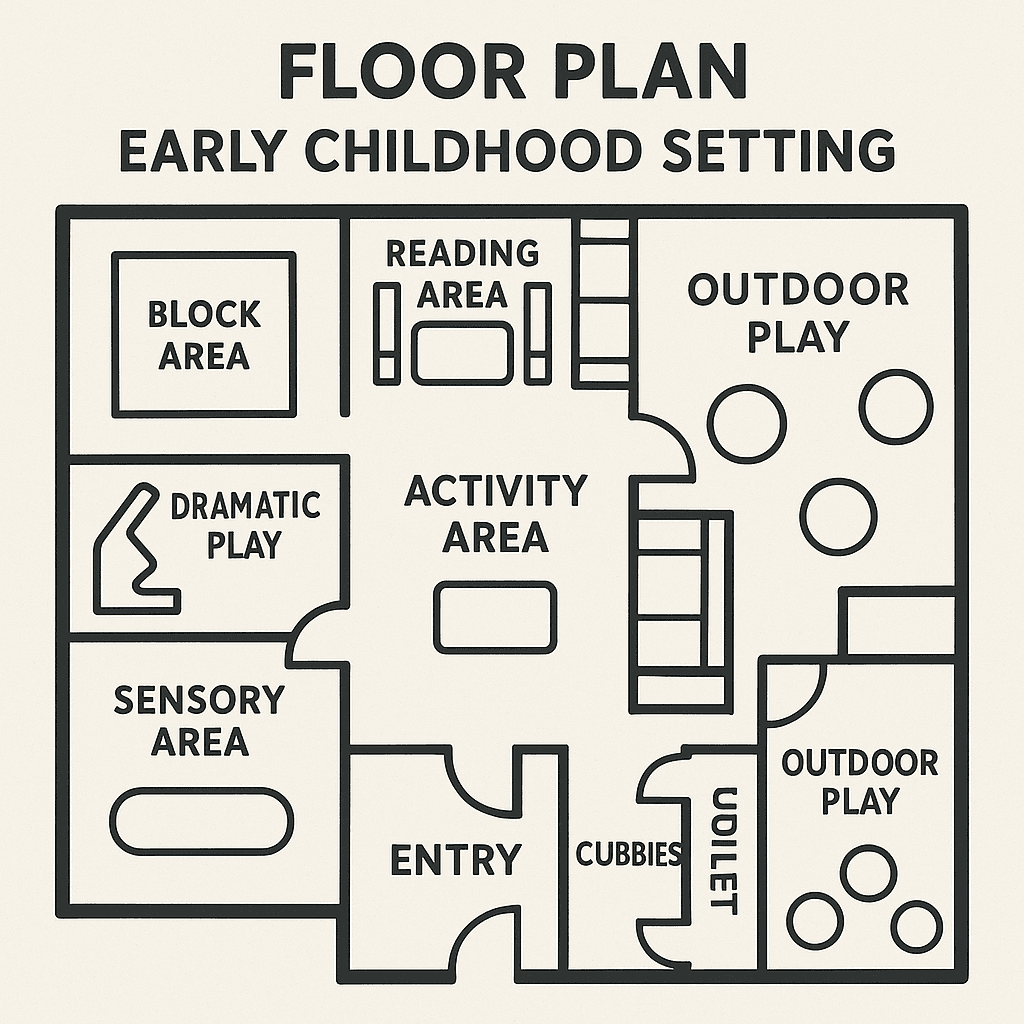
Learning Areas
Construction Zone
Blocks, trains
Creative/Art Area
Easels, paints, collage
Reading Corner
Rug, soft chairs, bookshelves
Calm Down Area
Bean bag, sensory toys, visuals
Small Group Table
Teacher-led tasks
Technology/Listening Center
Tablet, headphones, CDs
Home Corner
Kitchen set, dolls, dress-up clothes
Science/Discovery Table
Magnets, nature materials
Practicum Site: Angels Infant School
Angels Infant School, formerly Angels Early Childhood Development Center, has been established for almost 20 years. Located in the Angels Grove community on Chestnut Avenue, the school has been operating in its infant status for almost three years under the leadership of Mrs. V. Russell since 2007.
The school currently hosts approximately 115 students, with a staff comprising four trained teachers, seven caregivers, an office clerk, a cook, ancillary worker, grounds man, and security guards. There are five classrooms, each staffed with a teacher and caregiver to ensure proper attention and supervision for young learners.
Their motto "Patiently Molding Young Minds" reflects their work ethics, values, and professionalism. They take their responsibility for nurturing the youngest learners with the utmost care and passion.
Daily Routines & Activities
Monday
- General Devotion
Tuesday
- General Devotion
- Library visit (children are transported to the library for at least an hour)
Wednesday
- Age-cohort devotion
- Soup day (lunch)
Thursday
- House Devotion (3 Houses)
- Physical Education (children wear their P.E gears to school)
Friday
- Class Devotion
- Club days (4-H, Path-finders, Dance, Spanish)
- Ice-cream and pop-cycle day
Best Practices
The school maintains high standards through several key policies and practices:
- Healthy Eating Policy: A strict "Fruit for Break" policy with no junk food allowed. Parents must agree to this rule before admission.
- Innovative Teaching: Smart boards are utilized to enhance the learning process.
- Outdoor Learning: Extensive green space and outdoor facilities allow for exploration and physical development.
Classroom Management Approach
Creating a Safe Environment
Effective classroom management creates an atmosphere where children feel safe, respected, and show willingness to participate in the learning process. The layout and available resources are crucial factors in managing the classroom effectively.
Building Strong Relationships
Greeting children by their names builds trust and makes them feel valued, leading to better cooperation in activities. This practice demonstrates mutual respect and creates a positive learning environment.
Clear Expectations
Setting clear expectations through simple, basic class rules, sanctions, and agreements with children ensures consistency and helps avoid power struggles and confusion.
Establishing Routines
Teaching and helping children adapt to routines aids smooth transitions, whether for individual or group activities. These daily routines reduce anxiety and provide children with a familiar structure to follow.